
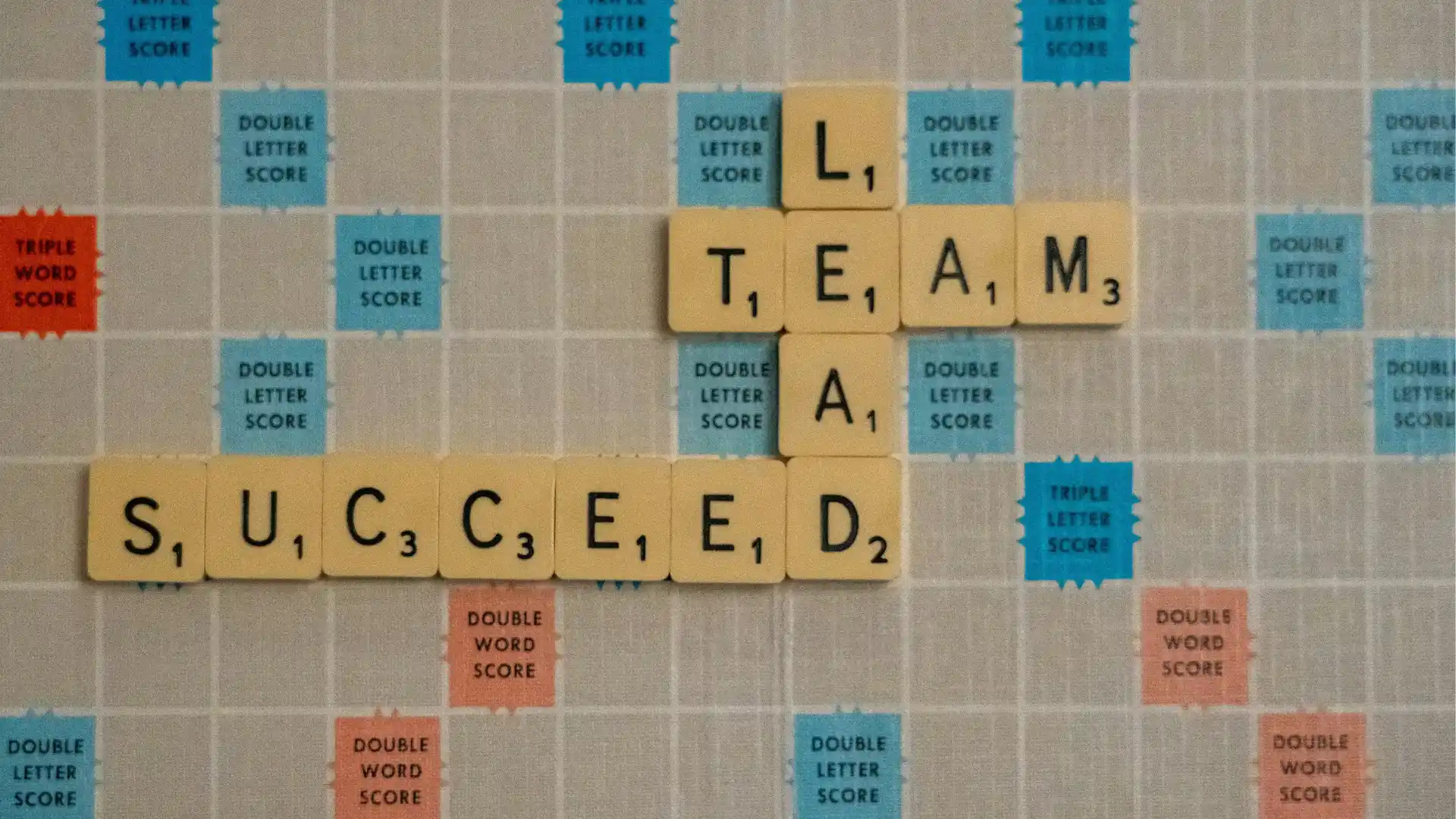
What Makes an Employee Ready for Senior Leadership?
The evaluation of a senior executive candidate should be based not only on the person’s performance, but more importantly on how he or she thinks, learns and changes, and beyond the team.
A person who reports to the CEO or COO, occupies a role that bridges across multiple functions, has the span of control, and can directly influence behavior in a manner that impacts groups outside his or her team. Second, their role is changing and being adjusted to new conditions, and this, in turn, adds extra difficulty for the HR department in determining the most suitable leaders. Management should be especially observing those who manifest certain behaviors, indicating their effectiveness outside of their function.
Four domains can act as exemplars of the behaviors in this way, (1) organizational thinking, (2) development of leaders, (3) adapting to change, and (4) influencing the uncontrollable process. The assessment process can be then directed at these four domains to ensure that the candidate has the necessary capabilities to assume increased responsibility by examining actual behavior and performance.
They See Beyond Their Own Team
The first behavioral indicator that a future leader needs to show is thinking and working across functions. A senior leader is then understanding of the fact that their decisions can have an effect on the other teams, customers, costs, business processes. Thus, when assessing a candidate, you need to look for behaviors showing how he will think of the downstream impact first.
The proficiency to organize is exhibited in those who may work cross-functionally, sharing processes and scarce resources, when required to find win-win solutions that meet the interests of all involved parties. This competency has increasing value as shared-service models expand.
McKinsey’s 2026 research estimated that 84% of respondents will be having more shared-service operations in the next two years, 30% will have innovation, transformation process, 27% analytics, and 26% strategic and advisory services. McKinsey also predicts that AI, automation, and analytics will fuel reimagining of end-to-end processes, business functions and inspire a reimagining of ways of working and operating.
Of course, such changes will inevitably lead to interdependencies among different functions and that is why it is so critical to select individuals who can influence outside of their own team, and to consciously think about the impact this has on the priorities of other functions.
They Keep Building Their Leadership Skills
Even though an individual’s past performance can illustrate whether they have the skills and behaviors needed for senior leadership, the evaluator must also focus on their ability to develop additional competencies. There are several areas that require improvement for would-be senior leaders, including judgment, communication, strategy, and organizational intelligence.
The assessor should therefore look for information that demonstrates how the candidate learns and applies new skills to influence business processes. According to Gartner’s research, which involved over 1,400 HR leaders, talent development for leaders and managers was identified as the top human capital priority for 2025.
In fact, another Gartner study reports that 75% of managers felt overwhelmed by the increased responsibilities, while 69% stated that leaders lacked the necessary skills to transform effectively. These statistics highlight the fact that there is a significant gap between the expectations and reality of managerial roles, and therefore, the importance of continuous learning and the development of additional competencies for aspiring senior leaders.
Further education can give employees a structured way to build relevant skills. For some professionals, a doctorate in leadership can provide deeper study in areas tied to senior leadership. Many opt for an online EdD with capstone that can fit around existing work.
Spalding University notes that the program is 100% online, so professionals can continue working while earning their doctorate. The capstone project gives learners a professional advantage.
However, education alone doesn’t show readiness, so ask how the employee built a skill and where they used it. Someone who applies new ideas to team decisions gives you better evidence than a course alone.
They Can Lead Through Change
You should evaluate how employees act if plans change since it is vital for senior leaders to resolve emerging concerns, shifting demands, and resistance to remain focused. A 2024 study published in SAGE’s WORK journal and based on 32 out of 3230 analyzed documents revealed that change competence depends on one’s area in the organization and the type of change (operational or strategic).
According to one of the key results, change of competence is about performing current competence and developing new competence in “new” circumstances. Leaders have to analyze situations, choose what to do, motivate employees and tell the reasons for those decisions.
The study also revealed that people in more supportive roles were less resistant to change. For this reason, take note of how employees respond to being out of line with the current environment. You will see a variety of reactions including denial, for example, anger, shock, or outrage. Look also at how they took this experience into the way they acted at present, and what information they relied on to make sense of change and if they felt involved in it.
Building on this information, you can assess these senior change management skills: In transition seasons, leaders have to manage the alignment of organizational objectives as well as the needs of employees. Do this by soliciting a job candidate to tell you about a time when he or she had to reconcile between the business objective and the interests of employees and how he or she changed his or her mindset during the process.
Another question to ask: “Tell me about a change in which you’ve had to deliver some difficult news, and what you did to persuade stakeholders of the rightness of your decision.” Third question to ask: “If you received new information that didn’t support your previous perspective on the change, what would you do to modify your style of leadership?”
They Can Influence Across Teams
Have a look at how an employee affects people outside their team. Senior leaders require building agreement across teams, aiding managers in difficult decisions.
Unit tests this attribute through cross-functional projects or company-wide initiatives that require collaboration from multiple teams. Observe how the employee earns cooperation without relying on formal authority.
The other type of influence derives from knowing when a certain expertise should be brought to bear in order to make a decision. Organizational psychologist Eduardo Salas said shared leadership permits “someone with the right expertise” to step in at the right moment.
Not surprisingly, the impact of a manager’s leadership shows up in terms of the experience employees have in the workplace. According to Gallup’s October 2025 global workplace data, rates of employee engagement dropped to 20% in 2025, while manager engagement rated 22%.
People also found that engaged managers experienced fewer negative emotions and were 14 points more likely to be thriving in life than ‘something less than engaged’ leaders. This is why it’s important to think about how an employee can make others feel as you consider them for a senior role.
Imagine how a future senior leader facilitates a team working together as he de-escalates conflicts or manages a challenging trade. Brainstorm with peers and project managers for workplace instances of inter- line leadership.
FAQs
How can you tell if an employee is ready for a leadership role?
Consider whether they are aware of the knowledge and skills needed to perform the role independently of how they do them today. Consider their decision making, accountability, communication and handling of competing demands. Reflect also on whether they understand leadership expectations and are motivated to take on more responsibility.
Should high-performing employees always be promoted to leadership roles?
Will a person always be a manager if he/she is a top performer? No. A performer who perform well in his or her work may be a good performer but any leader faces a new challenge in a new role. Top performer may be demanded experience in his domain orprefer in his role.
How can HR reduce bias in leadership promotion decisions?
Apply the same standards to each employee, and make decisions based on documented evidence. Use a mix of performance records, structured interviews, colleagues’ opinions and specific examples of behaviour in relevant circumstances. Having a clear process can make it simpler to assess candidates objectively and can prevent personal biases and first impressions from influencing your decision.
Leadership Readiness by the Numbers
| Organizational change and shared services | 84% expanding shared services within 2 years; 30% targeting transformation, 27% analytics, 26% advisory. |
| Leadership and manager development | #1 HR priority for 2025; 75% of managers overwhelmed by responsibility; 69% lack change leadership skills. |
| Change competence | 32 studies analyzed from 3,230 screened; links strategic success to two-way communication and employee involvement. |
| Workplace and manager engagement | Employee engagement dropped to 20%; manager engagement fell to 22%; engaged managers report +14 points in thriving life. |
Take Your Time With Leadership Promotions
Senior leaders’ readiness can be supported by knowing they are able to cope with the increased breadth of work. Consider their knowledge of your organization, developing their capabilities, managing change and how they manage and influence people outside their team.
Before you promote a person, you can also test these capabilities. Offer employees cross-department projects, involve them in other initiatives, add responsibilities, and include mentoring tasks and decision-making opportunities. Evaluate how the person manages these tasks and what others report about the individual.
Advancement should go to those who’ve demonstrated the judgment and leadership skills the role requires. A larger title ought to come when someone’s demonstrated that ability through demonstrated work.
Read More : Brand Development – Step by Step Complete Guide